Product Manager
Business Product Management1. What Does a Product Manager Actually Do? 🤔
The Short Answer
A Product Manager (PM) is the “captain of the ship” for a product—an app, software, or even a gadget—making sure the team builds the right thing for users and the business. 🚢
Here’s the vibe: PMs usually don’t code or design the screens themselves. Instead, they connect the dots:
- What do customers actually need?
- What should we build first (and what needs to wait)?
- How do we align engineers, designers, and marketers so the product ships and improves?
Think of it like being the person in a group project who doesn’t just “do the slides,” but makes sure everyone agrees on the topic, the deadline, and what “good” looks like—then keeps the team moving when things get messy.
A day-in-the-life example (meetings-heavy, but purposeful):
- 9:00 AM: Check product metrics and user feedback. What’s working? What’s broken?
- 10:00 AM: Sync with design and engineering. Clarify what “done” means for a feature.
- 11:30 AM: Prioritize: What goes into the roadmap now vs. later?
- 1:00 PM: Talk to users or review insights from user feedback (this is where the “real story” lives).
- 3:00 PM: Stakeholder meeting: explain tradeoffs like “If we ship Feature A this month, Feature B slips.”
- 5:00 PM: Write a plan, update Jira, and prep for tomorrow’s decisions.
Why This Career is Awesome ✨
If you’ve ever used an app and thought, “Why did they do it like that?”—PM might be your calling. Because PMs get to turn that frustration into a plan.
People choose Product Management because it mixes creativity + strategy + impact. You’re basically translating customer problems into solutions that drive company growth. And yes, it can be a huge flex:
- “I helped launch a feature used by millions.”
- “I shaped the roadmap.”
- “I influenced business decisions without being a coder.”
It’s also a leadership path without needing a traditional “manager” title. You influence through clarity, empathy, and decision-making—not authority.
The Hard Truths (Reality Check) ⚠️
This job can be incredible… and also exhausting. PM life is often “high expectations + limited control,” which is a spicy combo.
You’re expected to guide the ship, but you don’t personally row the boat. That means your superpower is influence—and your biggest stress is when you’re responsible for outcomes but don’t control every input.
What Nobody Tells You:
- Work-life balance can get rough: 50–60 hour weeks are common, especially pre-launch. During launches, it can hit 60+ hours, including weekends.
- Meetings are a lifestyle: It’s remote-friendly, but very meeting-heavy. Some people call it “meeting hell.”
- Stress is real: Priorities can be vague, exec pressure is intense, and if a launch fails, the PM often gets the blame.
- Health stuff sneaks up: Desk life + anxiety from ambiguity + burnout risk.
Common Regrets from People Who Left:
- “Wish I knew it’s more politics than product.” (A common regret shared by ex-PMs online)
- Some leave after 2–3 years because they hate the constant pivots and lack of execution power.
- Burnout is serious: industry data suggests 40% leave within 2 years, and average tenure is 4–5 years before switching.
The Financial Reality:
- You can earn great money, but there are hidden costs:
- Bootcamps can cost $5k+
- Conferences, tool subscriptions, and constant upskilling add up.
- In downturns, layoffs can hit PMs hard—especially if your product isn’t growing.
Career Risks:
- Skill obsolescence: You may need to learn AI/ML skills yearly, and tools can have a 6-month half-life.
- Competitive entry: No specific degree is required, but it’s competitive. Internships, projects, and referrals matter.
- Job security is high in tech due to constant product innovation, but it’s still cyclical with market downturns.
Myth-buster: It’s not always glamorous “visionary leadership.” Sometimes it’s you explaining the same roadmap to five different groups… in five different meetings… on the same day.
2. Is This Career Future-Proof? 📈
Job Market Reality Check
The outlook is growing, with an estimated 10–15% growth rate and very high demand—especially in tech.
The next 5–10 years look strong. Companies keep needing people who can:
- understand users,
- prioritize what matters,
- and guide teams to ship products that actually succeed.
But here’s the real talk: high demand doesn’t mean easy entry. The barrier is “moderate-high” because competition is intense and companies want proof you can do the job (projects, internships, or relevant experience).
Will AI Replace This Job?
AI will absolutely change PM work—but experts say it’s more of an “upgrade” than a “replacement.”
What AI will likely automate more:
- Routine data analysis
- Basic analytics
- Some manual market research
What still needs a human brain (that’s you):
- Empathy (understanding what users mean, not just what they click)
- Strategy (choosing the right bets)
- Cross-team leadership (getting humans aligned is still… very human)
So the move isn’t “compete with AI.” It’s: use AI to get better insights faster, then make smarter decisions.
💰 The Real Salary Numbers
Let’s talk numbers, because you’re not doing all this roadmapping for fun.
Salary ranges (USD):
- Entry-level: $80,000–$120,000
- Mid-career: $140,000–$200,000
- Senior: $220,000+
Big tech can offer high pay and huge scale—but also more bureaucracy. Startups can offer impact and equity, but the equity is risky and layoffs can happen fast.
Is This Right for Me? (Self-Assessment)
Ever wondered why some people love PM and others run away screaming? It usually comes down to how you handle ambiguity and people dynamics.
You’d be perfect if:
- You’re curious: you keep asking “why” until you hit the real problem.
- You’re empathetic: you care about user pain, not just features.
- You can be decisive even when the info is incomplete.
- You like influencing without authority (aka leading without being “the boss”).
- You enjoy storytelling with data—turning messy info into a clear direction.
Honestly, you might struggle if:
- You hate ambiguity and want perfectly clear instructions.
- You dislike teamwork or coordinating across groups.
- You hate data and meetings (PM has both).
- You’d rather be hands-on coding all day than doing strategy and prioritization.
Work-Life Balance: Remote-friendly, but meeting-heavy. 50–60 hour weeks are common, especially near launches, and launches can push into 60+ hours.
3. The Honest Truth: Disadvantages You Must Know ⚠️
Work-Life Balance Reality
PM work often spikes around launches. The reality is blunt:
- 60+ hour weeks during launches
- Frequent weekends
- “Always-on” expectations if you work with cross-timezone teams
If you’re someone who needs strong boundaries to feel okay (totally valid), you’ll need to build those skills early—because the job won’t magically hand them to you.
Stress & Mental Health
Stress comes from:
- vague priorities,
- executive pressure,
- stakeholder demands,
- and the fear of being blamed when something doesn’t land.
Burnout isn’t rare here. Data suggests 40% leave within 2 years, and many switch after 4–5 years. That doesn’t mean “don’t do it.” It means: go in prepared, like an athlete who actually trains before the season.
Physical Health Concerns
This is a desk-heavy job:
- sedentary work
- lots of screen time
- anxiety from ambiguity (your brain is “on” a lot)
If you become a PM, you’ll want habits that protect you: movement breaks, walking meetings when possible, and real downtime.
Financial Realities
Yes, salaries can be high. But there are hidden costs:
- bootcamps ($5k+)
- conferences
- tool subscriptions
- constant learning to keep up with AI/ML and shifting tools
Also: downturns can bring layoffs, and startup equity can be risky.
Career Risks
- Skills get outdated fast: tools can have a 6-month half-life.
- You may need to learn AI/ML skills yearly.
- Entry is competitive: referrals matter at top companies, and diversity gaps persist.
What People Who Quit Say
A common regret from people who left:
- “Wish I knew it’s more politics than product.”
Bottom Line: If you hate ambiguity, dislike meetings, or want full control over execution, think twice. But if you love solving user problems and can handle the messy middle, PM can be a powerful path.
4. Legends in This Field 🏆
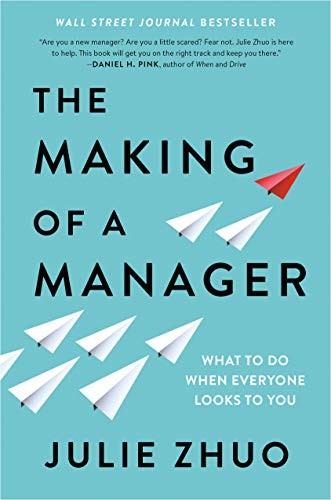
Did you know that Julie Zhuo joined Facebook super early (employee #200) and later helped scale a design org from three people to over 3,000? That’s not “small group project” energy—that’s “building the stadium while the game is happening.” 😅
She grew up in a working-class immigrant family in Texas, studied computer science at Stanford, interned at Blizzard, and started at Facebook as a designer. Then came the hard part: rapid growth and leadership pressure. She dealt with imposter syndrome as a first-time manager, and she didn’t “magically become confident.” She worked through it by seeking mentors and journaling decisions—basically turning uncertainty into a learning system.
Her advice hits especially hard for students: Start small, iterate, and talk to users relentlessly. That’s a real playbook, not motivational wallpaper.

Julie Zhuo
VP of Product Design
VP of Product Design at Facebook, scaling design team from 3 to 3,000+.
"The best way to have a good idea is to have a lot of ideas." – From her book 'The Making of a Manager'.
Did you know Marty Cagan started as an engineer and still became one of the most influential voices in product—without needing a flashy origin story? His path is proof that you don’t have to be “born a PM.” You can become one.
He studied engineering and started in hardware at Hewlett-Packard. Then came a turning point: he transitioned into product management at Netscape during the dot-com boom—an era where products moved fast and mistakes were loud. He’s been open about failed launches early in his career, and how those losses taught him what actually works: empowered teams and real discovery before building.
His core message is simple but brutal: Successful products come from discovering something customers love. Not guessing. Not copying. Discovering.

Marty Cagan
Product Leader and Author
Author of 'Inspired', bible of product management; trained thousands of PMs.
"Products that are successful are a result of discovering a product that customers love." – Inspired: How to Create Tech Products Customers Love.
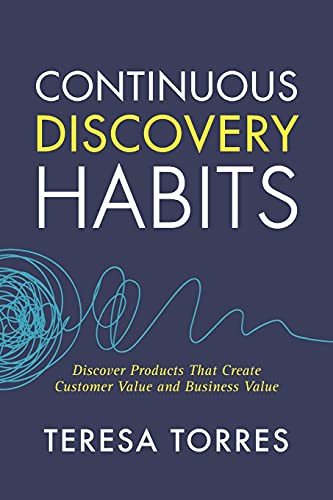
Did you know Teresa Torres didn’t start in some elite product program—she started in customer support and taught herself product skills? That’s the kind of origin story that should make you sit up if you’re thinking, “I don’t have the perfect background.” 👀
Early on, she built features that nobody wanted. Ouch. But instead of pretending it didn’t happen, she used it as fuel. That failure pushed her toward a new approach: continuous discovery—talking to customers consistently so you’re not building in the dark.
Her advice is almost comically specific: Interview one customer per week forever. Not “when you have time.” Not “once a quarter.” Forever.

Teresa Torres
Product Coach and Author
Author of 'Continuous Discovery Habits'; coaches PMs worldwide.
"Opportunity solution trees help teams stay focused on solving the right problems." – Continuous Discovery Habits.
Did you know Sundar Pichai went from sharing one computer as a student to pitching Chrome internally at Google—and eventually becoming Google’s CEO? That’s not just career growth. That’s a whole movie plot. 🎬
He grew up in modest circumstances in Chennai, studied metallurgical engineering at IIT, then earned an MBA at Wharton. Before the big wins, he faced rejection from top firms. Instead of treating rejection like a “no,” he treated it like “not yet,” and kept going through persistence and networking.
His turning point was pitching the Chrome browser internally. That’s classic PM energy: see the opportunity, align people, and ship something that changes how people live online.
His advice stays grounded: stay humble, keep learning, and focus on users.

Sundar Pichai
Google CEO and Product Leader
Google CEO, led Chrome and Android as PM.
"A person who is happy is not because everything is right in his life, he is happy because his attitude towards everything in his life is right." – Various interviews.
5. How to Prepare 🎯
If You’re Still a Student (High School/College)
You don’t need a perfect resume. You need proof you can think like a PM.
What to study (pick what fits you):
- Computer Science
- Business
- Design
Plus courses in: - UX
- Agile
- Statistics
Skills to develop (the “starter pack”):
- User interviews
- SQL
- Figma
- Roadmapping tools like Jira
Projects you can start this week (seriously):
- Build a mobile app MVP (minimum viable product). Keep it simple.
- Analyze a product like Instagram: why do certain features work?
- Start a side project and iterate based on feedback (this is basically PM training in the wild).
Internships and early experience:
- Apply through LinkedIn and Handshake to big tech and startups.
- Contribute to open-source.
- Help launch something on Product Hunt (even if it’s small).
If You’re Switching from Another Field
Plenty of PMs come from alternative paths like:
- Product Owner
- UX Designer
- Business Analyst
- Growth Marketer
- Founder/Entrepreneur
If you’re switching, your advantage is real-world context. Your job is to translate it into PM language: user problems, tradeoffs, prioritization, and measurable outcomes.
Must-Have Skills
Here’s a practical priority list:
High priority (start here):
- Communication: explaining tradeoffs and aligning teams.
- User empathy: talking to users and understanding pain points.
- Prioritization: choosing what matters when everything feels urgent.
Medium priority (build next):
- Analytical thinking + data storytelling
- Cross-functional influence (leading without authority)
Tools to learn:
- SQL, Figma, Jira.
Time reality check: you can build basics in a few months if you do weekly projects and feedback loops. The key is consistency, not intensity.
6. Learning Resources 📚
Must-Read Books
These books are popular for a reason: they teach you how PMs actually think—discovery, teams, and building what users love.

Inspired: How to Create Tech Products Customers Love
Definitive guide to empowered product teams and discovery.
Recommended Online Courses
Online courses are clutch because PM skills are learnable—and you can practice while you learn.

Product Management 101
Product School
Basics of PM role, roadmaps, prioritization.

Digital Product Management
University of Virginia
Strategy, Agile, user-centric development.
Free Resources (Learn Without Spending)
If your budget is “student,” you can still learn a ton:
Websites
- Product Hunt: https://www.producthunt.com/ (discover new products daily, and launch your own)
- Lenny’s Newsletter: https://www.lennysnewsletter.com/ (deep PM interviews and advice)
Podcasts
- The Product Podcast: https://productschool.com/blog/podcast/
- Lenny’s Podcast: https://www.lennysnewsletter.com/podcast
Communities to Join
PM is a people career, so community helps a lot—especially for interview practice and learning how others think.
- Product Management Exercises: https://www.productmanagementexercises.com/ (practice interviews and cases)
- Mind the Product: https://www.mindtheproduct.com/ (global community and events)
Networking matters because referrals can be important for competitive roles. A community is basically your “study group,” but for your future career.
7. Where Can You Work? 🏢
🌎 Global Big Tech & Corporations (US/Europe)
These companies offer scale, strong pay, and serious product training—but can be slower due to bureaucracy.
Google (Mountain View, CA, USA)
Innovates in search and Android; great for learning scale.
Careers: https://careers.google.com/Amazon (Seattle, WA, USA)
E-commerce giant with a data-driven PM culture.
Careers: https://www.amazon.jobs/Apple (Cupertino, CA, USA)
Hardware/software excellence; secretive but impactful.
Careers: https://www.apple.com/careers/Microsoft (Redmond, WA, USA)
Cloud leader Azure; strong enterprise focus.
Careers: https://careers.microsoft.com/Meta (Menlo Park, CA, USA)
Fast-paced consumer products and rapid iteration.
Careers: https://www.metacareers.com/
🇰🇷 Korean Companies (Korean Companies)
These are major players with strong PM opportunities:
Naver
Korea’s top search and search AI; strong PM roles.
Careers: https://recruit.navercorp.com/Kakao
Messaging and fintech; innovative mobile products.
Careers: https://careers.kakao.com/Coupang
E-commerce unicorn; logistics-heavy PM work.
Careers: https://www.coupang.jobs/Samsung Electronics
Global hardware leader; mobile and software PM roles.
Careers: https://www.samsungcareers.com/
Hiring tip (Korea): Korean fluency, internships (like Samsung or Naver), and a tech test can matter.
🇯🇵 Japanese Companies (Japanese Companies)
Sony
Electronics and entertainment; innovative hardware.
Careers: https://www.sony.com/en/SonyInfo/Careers/Rakuten
E-commerce ecosystem; global PM operations.
Careers: https://global.rakuten.com/corp/recruit/Mercari
C2C marketplace unicorn; growth-focused product work.
Careers: https://careers.mercari.com/
Hiring tip (Japan): Japanese JLPT N1 is noted, especially for some roles; Rakuten has global roles.
🇨🇳 Chinese Companies (Chinese Companies)
ByteDance
TikTok owner; viral product mastery.
Careers: https://jobs.bytedance.com/Tencent
WeChat and gaming giant; super apps.
Careers: https://careers.tencent.com/Alibaba
E-commerce and cloud at massive scale.
Careers: https://talent.alibaba.com/
Hiring tip (China): Mandarin, plus product case interviews; ByteDance may include coding + product case.
🚀 Global Startups Worth Watching
Startups can be chaotic, but you can get huge ownership fast.
Notion (USA, Series C): all-in-one workspace tool
https://www.notion.so/Linear (USA, Series B): issue tracking for modern teams
https://linear.app/Kakao Pay (Korea, Public): mobile payments superapp
https://www.kakaopay.com/
🎯 Job Hunting Tips by Region
Global/US: Portfolio of projects, referrals, mock interviews.
Korea: Korean fluency, Samsung/Naver internships, tech test.
Japan: Japanese JLPT N1; Rakuten global roles.
China: Mandarin; ByteDance coding + product case.
8. The Pro Mindset 💭
What separates strong PMs from “title-only PMs”? It’s not confidence. It’s habits.
From the role models and patterns in the industry, the best PMs tend to be:
- Customer-obsessed
- Resilient to failure
- Great at prioritization and data storytelling
- Strong cross-functional influencers
Real daily habits you can copy:
- Julie Zhuo: deep work in the morning, weekly user interviews, reflection journaling.
- Marty Cagan: customer discovery sessions, coaching, trend analysis.
- Teresa Torres: daily opportunity mapping, weekly interviews.
- Sundar Pichai: reading news, team walks, and deliberate downtime (cricket for relaxation).
And when they fail (because everyone does), they don’t spiral—they adjust:
- Imposter syndrome gets handled through mentors and reflection.
- Failed launches become lessons about discovery and user focus.
- “Built unwanted features” becomes the reason you start interviewing customers weekly.
If you want an “insider secret,” it’s this: PMs who win long-term treat learning like a routine, not a rescue mission.
9. Start Today! 🚀
You don’t need permission to begin. You just need a first rep.
What you can do TODAY:
- Spend 10 minutes browsing Product Hunt and write down 3 products you love (and 3 things you’d improve): https://www.producthunt.com/
- Pick one app you use daily and write a one-page “roadmap” of what you’d build next and why (use user pain + business impact).
This month’s goals: 3. Run your first user interview: talk to 1 friend about a problem they have and ask follow-ups until you find the real pain (channel your inner Teresa Torres). 4. Join a practice community and do one mock product question: https://www.productmanagementexercises.com/
In 3 months: 5. Build a simple MVP project and iterate based on feedback (even a tiny one). The goal is to prove you can discover, prioritize, and improve—not build a perfect app.
If you’ve read this far, you’re already ahead of most people.
The world of Product Manager is more open than you think.
Right now, this very moment, your journey to becoming someone’s role model might be starting.
Take that first step! 💪
Tags
References
- https://www.indeed.com/career-advice/finding-a-job/product-manager-job-description
- https://productschool.com/blog/career-development/what-does-product-manager-do
- https://voltagecontrol.com/articles/the-core-responsibilities-of-the-product-management-role/
- https://www.ironhack.com/us/blog/what-is-a-product-manager-role-definition-and-skills-required
- https://business.adobe.com/blog/basics/what-does-product-manager-role-do
- https://www.atlassian.com/agile/product-management/product-manager
- https://www.svpg.com/product-manager-job-description/
- https://www.productfocus.com/product-management-basics/job-descriptions/
- https://product.umd.edu/careers-in-product
Ready to Start?
Everyone above started just like you. Pick one thing and do it today!