"'The best marketing doesn't feel like marketing.' (Whiteboard Friday series)"
Their Story
Picture this: a young man in his parents’ basement, surrounded by humming computers and half-empty cups of coffee, trying to teach himself a craft that most people don’t even realize exists. He’s not wearing a suit. He’s not holding a diploma. In fact, he drops out of college—then opens his laptop anyway, like it’s a doorway to a future no one else can see.
That young man is Rand Fishkin.
He starts with a simple, stubborn question: “How do websites get found?” While others chase shortcuts, Rand chases understanding. He builds his first SEO tool down there in the basement, piece by piece, mistake by mistake. And oh, there are mistakes. Confusing algorithms. Clients who don’t get it. Days when the numbers refuse to move. What would you do when your dream feels invisible—when success doesn’t show up on the scoreboard?
But Rand keeps going, and eventually he co-founds a company that becomes Moz—an SEO name so big it grows into a $100M+ force. Yet the most dramatic twist doesn’t come from money. It comes from generosity.
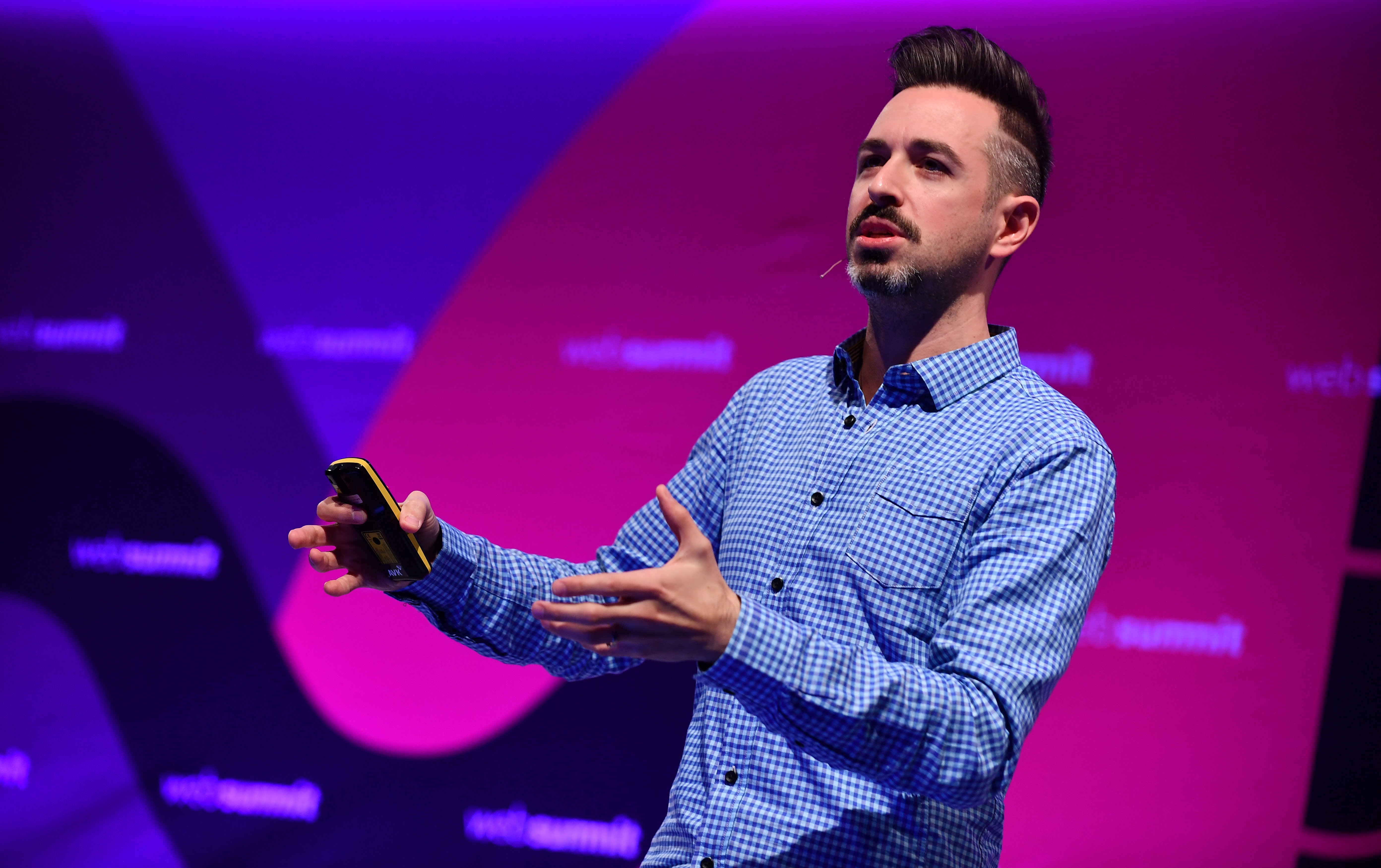
Rand stands in front of a camera and begins making free videos—Whiteboard Friday—teaching anyone who will listen. No paywall. No fancy marketing tricks. Just clarity, enthusiasm, and the belief that helping people is the best strategy. That’s when his philosophy becomes a guiding line: “The best marketing doesn’t feel like marketing.” And suddenly, the world starts paying attention.
Then comes the part most biographies skip.
Behind the scenes, boardroom tensions rise. Decisions get political. One day, Rand finds himself pushed out of the company he helped build. Imagine it—building a castle, then being asked to leave the gates. Despair hits hard. Identity shakes. The hero of the story is supposed to win… so why does it feel like he’s losing?
Instead of hiding, Rand does something rare: he tells the truth. He writes “Lost and Founder,” a brutally honest map of startup reality—because, as he warns, startups can be painful, messy, and unfair. And then he begins again, launching SparkToro, returning to what mattered from the start: audience first.
So what can students learn from Rand’s journey? That success isn’t a straight line—it’s a storm you learn to sail. That failure isn’t the opposite of winning; it’s often the price of building something real. And every morning, when Rand checks his dashboards and keeps showing up, he proves a final lesson: your story isn’t over when you fall—it’s over when you stop.
Advice for Students
‘Lost and Founder: embrace that startups suck sometimes—focus on audience first.’